Pigmentation

Concerns»Cheeks»Pigmentation
  Medically reviewed by Mirror Mirror Editorial Team

  Summary

  1. Definition of Pigmentation
  2. Causes
  3. Does everyone get Pigmentation?
  4. FAQ
  5. Treatment Options:
  6. Getting Advice
  7. Related Posts

What is pigmentation?

Pigmentation refers to the colouring of the skin. When pigment-producing cells (melanocytes) become overactive or damaged, they can create uneven patches or spots on the skin’s surface, often darker than the surrounding area. 

Pigmentation concerns are extremely common in Australia due to high UV exposure. While pigmentation is not harmful, it can be frustrating and impact confidence, particularly when it appears on the face. 
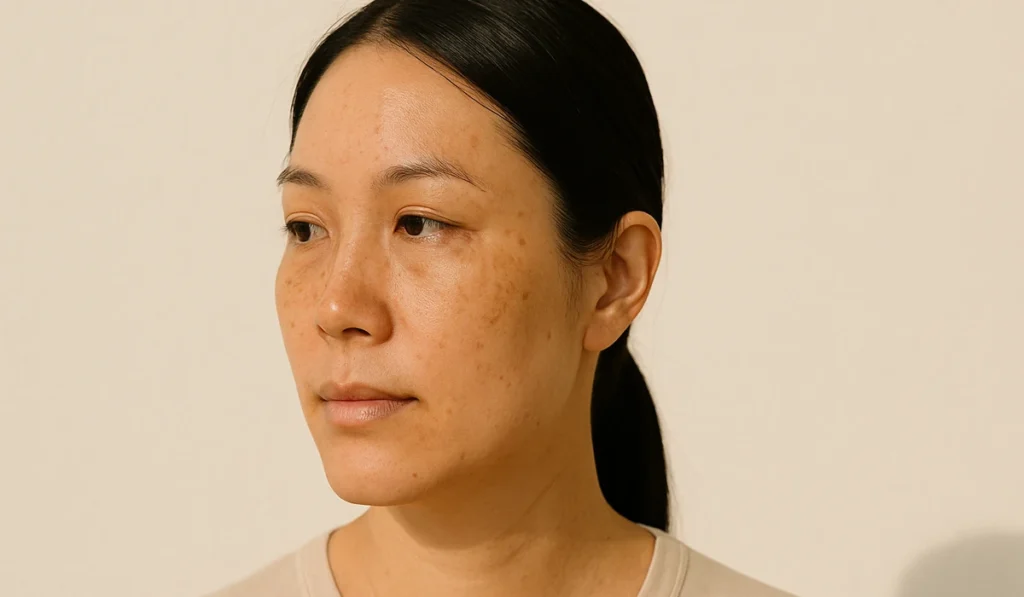
Types of pigmentation concerns 

Understanding the different types of pigmentation helps with accurate diagnosis and effective treatment planning: 

Sunspots (Solar Lentigines): 
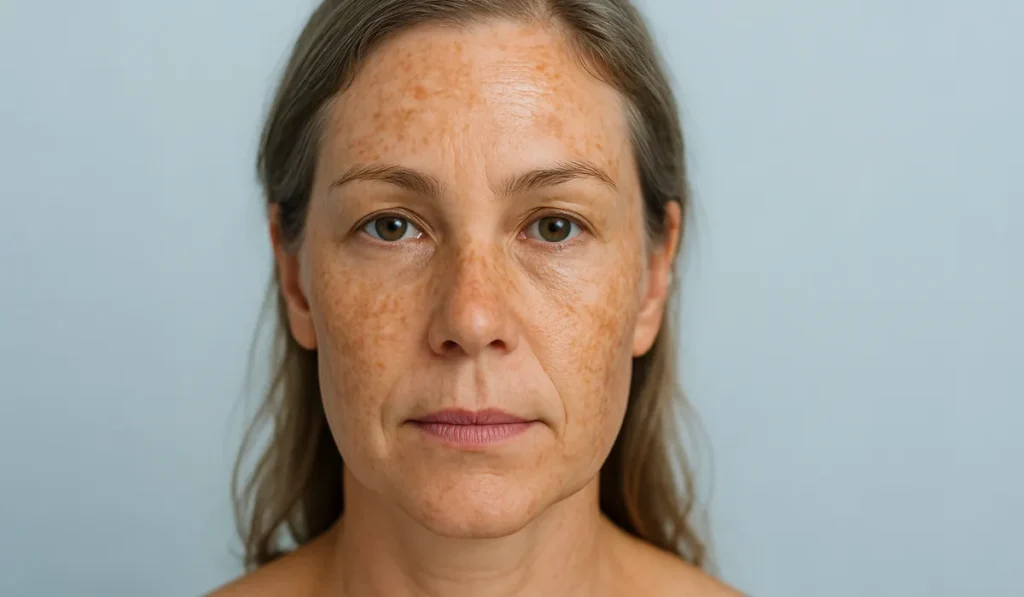
Flat, brown spots that appear on sun-exposed areas such as the face, hands, and décolletage. Commonly referred to as age spots or liver spots. These are caused by cumulative UV exposure and often increase with age.

Melasma: 
Brown or grey-brown patches that usually appear on the cheeks, forehead, upper lip, or chin. Often linked to hormonal changes, pregnancy, or contraceptive use and worsens with sun exposure.

Post-Inflammatory Hyperpigmentation (PIH): 
Dark spots that appear after an inflammatory skin issue such as acne, eczema, or injury has healed. More common in people with medium to darker skin tones due to increased melanocyte activity.

Freckles (Ephelides): 
Small, flat brown spots that are usually genetic. They become darker or more visible with sun exposure and are most common in people with fair skin.

What causes pigmentation? 

Cause #1 – Sun exposure 
UV radiation stimulates melanocytes to produce more melanin, leading to uneven tone, sunspots, or freckles. This is the most common trigger for pigmentation in Australia. 

Cause #2 – Hormonal changes 
Fluctuations during pregnancy, perimenopause, or with hormonal contraceptives can lead to melasma or worsen existing pigmentation. 

Cause #3 – Skin trauma or inflammation 
Conditions such as acne, eczema, burns, or picking at the skin can lead to post-inflammatory hyperpigmentation (PIH), especially in darker skin tones.  

Cause #4 – Genetics 
Freckles and general pigment sensitivity may be inherited. Your skin type plays a role in how you react to sun, trauma, and inflammation. 

Cause #5 – Certain medications or products 
Some medications, such as certain antibiotics or chemotherapy drugs, and harsh skincare products may increase sun sensitivity or cause pigmentary changes.  

Why do I have pigmentation and others don’t? 

Factor #1 – Skin Tone 
Darker skin types naturally produce more melanin and are more prone to Post Inflammatory Hyperpigmentation (PIH) and uneven tone.

Factor #2 – Hormonal sensitivity
Some people’s skin reacts more strongly to hormone fluctuations, increasing melasma risk.

Factor #3 – Sun exposure habits
Some skin types are more reactive and produce excess pigment from inflammation or injury.

Factor #4 – Environment
Living in Australia with year-round UV radiation increases the risk of visible pigmentation.

The impact of pigmentation concerns 

Pigmentation can affect more than just appearance. It can impact: 

  • Reduced luminosity: Uneven pigmentation can dull the skin’s natural radiance, making it appear aged or unhealthy. 
  • Lowered self-esteem: Visible patches can be difficult to conceal and lead to self-consciousness.
  • Social withdrawal and emotional distress: Some individuals may avoid events, photos, or close-up conversations due to how their skin appears. 

Frequently Asked Questions

Q: What is the best treatment for pigmentation in Australia? 
A: It depends on the type of pigmentation. Melasma often responds better to topical creams and sun protection, while sunspots and hyperpigmentation may be improved with peels, IPL or laser. A professional skin assessment is essential to choose the right approach. 

Q: Will pigmentation come back after treatment? 
A: Some types, especially melasma, can return with even minimal UV exposure. Long-term success depends on daily sun protection and maintenance skincare.

Q: Are pigmentation treatments safe? 
A: All medical procedures carry risks. A consultation with a qualified Australian healthcare practitioner or dermal therapist will help determine the safest and most effective treatment based on your skin type and condition. 

Q: Can pigmentation be permanently removed? 
A: Certain types, like sunspots, may be significantly reduced or removed. Others, like melasma, often require ongoing management rather than a permanent solution.

Q: Are pigmentation treatments covered by Medicare in Australia? 
A: Cosmetic pigmentation treatments are not covered. If the pigmentation is related to a medical condition, some rebates may be available. Your practitioner can advise.

Share This

Treatment Options

Pigmentation

If you are concerned about Pigmentation, a qualified healthcare practitioner can explain what may be suitable for you after a personal assessment.

  Surgical

Pigmentation

For personalised advice, it is always recommended to consult with a qualified healthcare provider who can guide you through the most appropriate treatment options for your specific needs, including Pigmentation.

Surgical and Procedural Options for Pigmentation

There are no surgical procedures designed specifically to address pigmentation concerns.

In some cases, visible pigmentation may be associated with underlying lesions or other skin changes. When this occurs, a dermatologist may recommend further assessment or removal to rule out any medical conditions or skin cancers.


Disclaimer:

Surgical procedures involve risks, and outcomes can vary. This information is general and not a substitute for professional medical advice. Consult a qualified health practitioner to determine if a procedure is appropriate for you.

  Practitioners Near You

Find Practitioners Near You

  Non-Surgical

Pigmentation

For personalised advice, it is always recommended to consult with a qualified healthcare provider who can guide you through the most appropriate treatment options for your specific needs, including Pigmentation.

Management of pigmentation usually involves a combination of professional consultations, in-clinic treatments, and supportive skincare. The most suitable approach depends on the type of pigmentation, your skin tone, and contributing factors such as sun exposure or inflammation.

Prescription Topicals Consultation
A consultation for prescription topicals allows a qualified doctor or nurse practitioner to assess your skin and discuss whether certain prescription creams may be suitable for regulating pigment activity or supporting cell turnover. These products must be prescribed and monitored by an appropriately qualified practitioner.

Chemical Peels Consultation
A chemical peels consultation focuses on whether professionally applied exfoliating solutions may help improve the appearance of uneven tone. Your practitioner will assess your skin type, discuss suitable peel strengths, and outline safety considerations. Not all pigmentation concerns or skin types are suitable for chemical peels.

Laser for Pigmentation Consultation
A laser consultation involves assessing whether light based devices may help improve the appearance of visible pigmentation. Your practitioner will evaluate the type and depth of pigment, your skin tone, and the risks involved. Some forms of pigmentation, such as melasma, may not be suited to laser approaches. A detailed assessment is essential.

Lasers use concentrated light energy to target specific pigment within the skin. Different laser types may be selected depending on the depth and cause of pigmentation:


  • Q-switched lasers may be used for concerns such as sunspots, freckles, and post-inflammatory pigmentation.
  • Picosecond lasers deliver very short bursts of energy that can be suited to deeper or persistent pigmentation.
  • Fractional lasers are often chosen for more superficial pigmentation and sun-related skin changes.


IPL (Intense Pulsed Light) Consultation
An IPL consultation helps determine whether broadband light treatments may be an option for improving the appearance of uneven colour or sun related changes. IPL is not suitable for all pigment types or skin tones, so a thorough assessment is required to ensure safety.


Disclaimer:

Non-surgical medical treatments carry risks, and results may vary. This information is general and not a substitute for professional medical advice. Consult a qualified health practitioner to determine if a procedure is appropriate for you.

  Practitioners Near You

Find Practitioners Near You

  Skincare

Pigmentation

Skincare Support for Pigmentation

A consistent skincare routine can support overall skin health and help maintain results from professional care. Choosing products that suit your skin type and using them gradually may reduce irritation and support a more even looking complexion.

Targeted Serums
Cosmetic serums containing ingredients such as vitamin C, niacinamide, kojic acid or alpha arbutin are often used to brighten the appearance of the skin and support a more balanced tone. These products should be introduced slowly and selected with guidance from a trained skincare professional.

Exfoliation
Chemical exfoliants like alpha hydroxy acids (AHAs) and beta hydroxy acids (BHAs) may help improve surface texture by removing excess buildup. Physical scrubs are generally not recommended for melasma or sensitive skin because they can increase irritation.

Sun Protection
Daily broad spectrum SPF is an essential part of managing pigmentation concerns. UV exposure can darken existing pigment and make it more visible. Wearing sunscreen, protective clothing and avoiding peak UV times can help support long term skin health.

Professional Skincare Consultation
A skincare consultation with a qualified dermal therapist, nurse, or doctor can help determine which cosmetic products may be most suitable for your skin type and pigment concerns. They can provide guidance on product selection, application order and how to introduce active ingredients safely.

Lifestyle and Sun Protection Advice
A practitioner may also provide personalised advice on sun safety and lifestyle factors that influence skin appearance. Consistent UV protection remains one of the most important steps in preventing pigmentation from becoming more noticeable.


In Australia, skincare advice and in clinic treatments should be provided by a qualified dermal therapist, nurse, or doctor working within their scope of practice. Specific treatment details cannot be provided here to comply with Australian advertising regulations.

  Getting Advice

For personalised advice, it is always recommended to consult with a qualified healthcare provider who can guide you through the most appropriate treatment options for your specific needs, including Pigmentation.

  Talk To A Practitioner

Consult with a verified practitioner near you about Pigmentation:

  Show practitioners near you

What to really ask
at your next consultation.

Get tailored questions for your next appointment.

Get Your Personalised Report