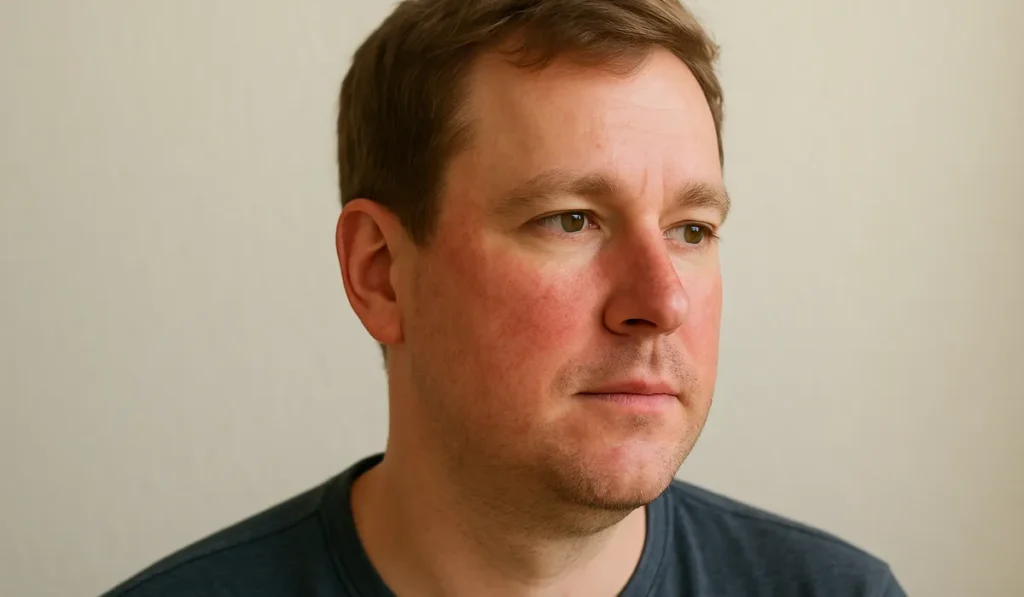
What is redness and rosacea?
Facial redness and rosacea are common skin concerns that affect both appearance and comfort.
While redness can be temporary (such as from heat or emotion), persistent facial flushing, sensitivity, and visible blood vessels may indicate a chronic condition like rosacea or telangiectasia (visible blood vessels on the face).
Rosacea is a long-term inflammatory skin condition that typically affects the cheeks, nose, chin, and forehead. It can present as redness, sensitivity, acne-like breakouts, or visible blood vessels. While not harmful, it can cause emotional and physical discomfort if left unmanaged.
In Australia, where sun exposure and environmental stressors are high, facial redness is especially common. Identifying the cause is the first step toward choosing a suitable treatment approach.
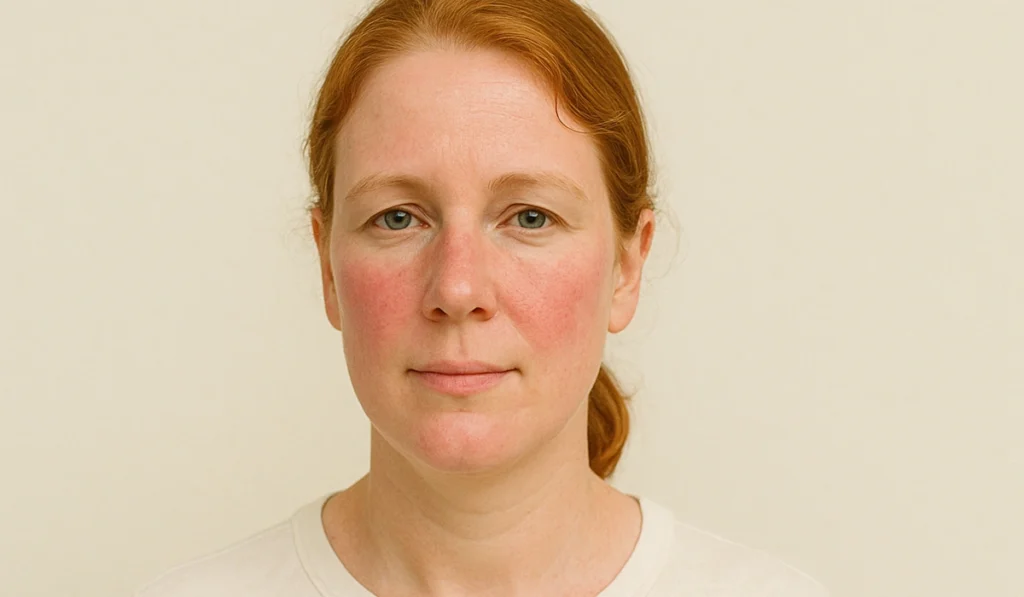
Understanding what’s happening under the skin
Redness and rosacea are caused by a mix of vascular sensitivity, inflammation, and skin barrier dysfunction. Here’s a simple explanation:
Rosacea:
Rosacea is a persistent inflammatory condition involving:
- Vascular overactivity: Facial blood vessels dilate more easily, contributing to redness and visible capillaries
- Inflammation: An overactive immune response can cause swelling, flushing, and skin sensitivity.
- Microorganisms: Demodex mites and certain gut bacteria, such as Helicobacter pylori, may contribute to flare-ups in some individuals.
Telangiectasia:
Telangiectasia are visible small blood vessels near the skin’s surface, often caused by:
- Vessel fragility: Capillaries become weakened and dilated, remaining visible near the surface.
- Sun damage: Prolonged UV exposure can break down blood vessel walls and worsen facial redness.
- Genetics: Some people inherit more fragile blood vessels and are naturally more prone to visible redness.
Types of rosacea
Erythematotelangiectatic Rosacea
Characterised by persistent facial redness, flushing, and visible blood vessels. Skin often feels tight, hot, or reactive.
Papulopustular Rosacea
Appears as chronic redness with acne-like bumps (papules and pustules). Often confused with acne, but it involves different immune and vascular responses.
Phymatous Rosacea
Involves skin thickening, typically around the nose (rhinophyma). This form is more common in men and may develop in advanced cases.
Ocular Rosacea
Causes red, irritated, and dry eyes. May occur alone or alongside facial rosacea.
What causes redness and rosacea?
Rosacea is a chronic skin condition influenced by both genetic and environmental factors. While the exact cause isn’t fully understood, research suggests that inflammation, immune system activity, and changes in blood vessels all play a role.
Cause #1 – Sun exposure
UV radiation can damage small blood vessels and trigger inflammation in the skin. This inflammation may increase redness and sensitivity in those prone to rosacea.
Cause #2 – Skin barrier damage
When the skin’s natural barrier becomes compromised, it allows irritants to enter more easily. This can lead to stinging, burning, and flushing sensations that are common with rosacea.
Cause #3 – Immune system overactivity
People with rosacea often show increased immune activity in the skin. Proteins such as cathelicidin (LL-37) and enzymes like kallikrein-related peptidase 5 (KLK5) can become overactive, causing inflammation and visible redness. Receptors called Toll-like receptor 2 (TLR2) also play a role by responding strongly to environmental triggers such as heat, UV light, and microbes.
Cause #4 – Nerve sensitivity and heat triggers
Rosacea-prone skin may have an increased number of TRPV1 nerve receptors, which react quickly to heat, spicy food, stress, or alcohol. When activated, these receptors cause flushing and a warm or burning feeling on the skin.
Cause #5 – Microorganisms
An imbalance in the skin’s microbiome may contribute to flare-ups. Demodex mites and certain gut bacteria such as Helicobacter pylori have been linked to inflammation in some people, although this connection is still being researched.
Cause #6 – Genetics
Rosacea often runs in families. People with fair skin of Northern European descent are more likely to develop the condition, suggesting a genetic predisposition.
Cause #7 – Alcohol and lifestyle triggers
Alcohol, especially red wine, can dilate blood vessels and worsen redness. Other lifestyle factors such as hot showers, sun exposure, vigorous exercise, and emotional stress can also trigger or intensify symptoms.
Why do I have redness or rosacea and others don’t?
Not everyone experiences facial redness in the same way. Research suggests that genetics, skin biology, and environmental exposure all influence how the skin reacts and repairs itself.
Factor #1 – Genetics
Some people inherit traits such as fair skin, vascular sensitivity, or a stronger immune response. These genetic factors can make their skin more reactive and prone to redness.
Factor #2 – Skin Type and Sensitivity
If your skin barrier is naturally delicate or reactive, it’s more likely to flush or sting when exposed to heat, sunlight, or certain products. Over time, this can contribute to visible redness or rosacea.
Factor #3 – Environment and Sun Exposure
Living in bright, sunny climates like Australia can increase UV exposure. This can damage small blood vessels and affect the skin’s immune balance, both of which are linked to rosacea symptoms.
Factor #4 – Lifestyle and Triggers
Heat, alcohol, stress, and spicy foods can activate nerve pathways that dilate facial blood vessels. These everyday factors don’t cause rosacea but can make it more noticeable.
Factor #5 – Ageing and Cumulative Damage
As we age, collagen and skin barrier function decline. This can make facial vessels more visible and reduce the skin’s ability to recover from inflammation.
The impact of redness and rosacea
Rosacea and visible redness can affect emotional wellbeing just as much as skin health. Many people experience:
- Lowered self-esteem: Visible redness or breakouts can lead to embarrassment.
- Social withdrawal: Individuals may avoid photos or social gatherings.
- Emotional distress: Flare-ups can be unpredictable and frustrating.
- Physical discomfort: Stinging, tightness, dryness, and burning sensations are common symptoms.
Frequently Asked Questions
Q: What’s the best treatment for rosacea in Australia?
A: The best treatment depends on the severity and type of rosacea. A personalised plan may include prescription topicals, vascular laser, LED therapy, or tailored skincare.
Q: Can rosacea be cured?
A: Rosacea is a chronic condition, but it can be well managed. Identifying triggers and following a consistent treatment plan may help reduce flare-ups and improve comfort.
Q: Are redness and rosacea treatments safe?
A: All treatments carry risks. It’s important to consult with a qualified Australian healthcare practitioner to determine the safest and most effective options for your skin.
Q: Will Medicare cover treatment for rosacea in Australia?
A: Medicare typically does not cover cosmetic treatments. However, some appointments or prescriptions may be eligible for rebates if symptoms are severe or involve the eyes. Your practitioner can advise.