Tired Eyes

Concerns»Eyes»Tired Eyes
  Medically reviewed by Mirror Mirror Editorial Team

  Summary

  1. Definition of Tired Eyes
  2. Causes
  3. Does everyone get Tired Eyes?
  4. FAQ
  5. Treatment Options:
  6. Getting Advice
  7. Related Posts

What are tired eyes?

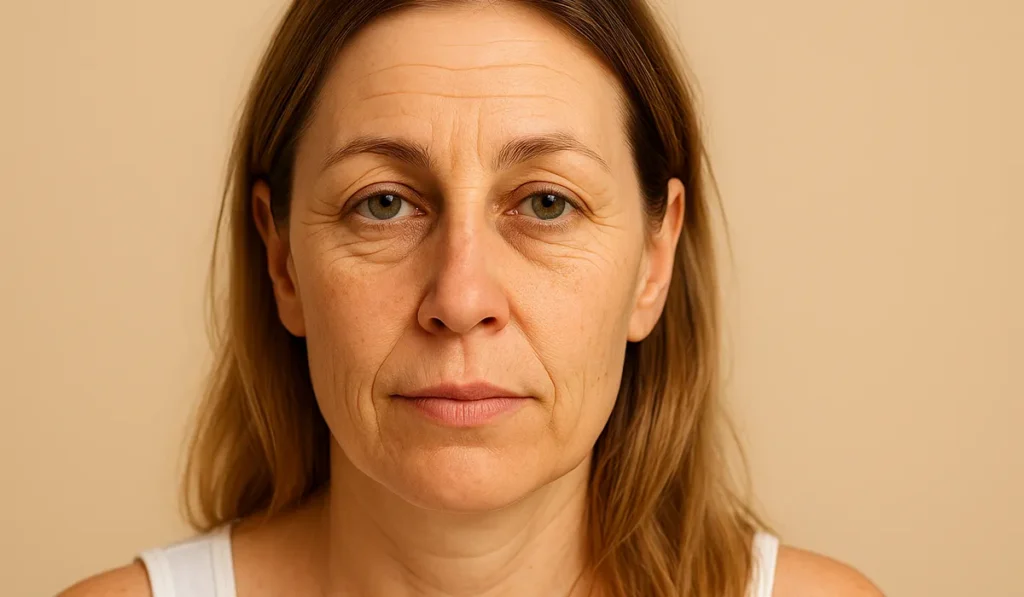
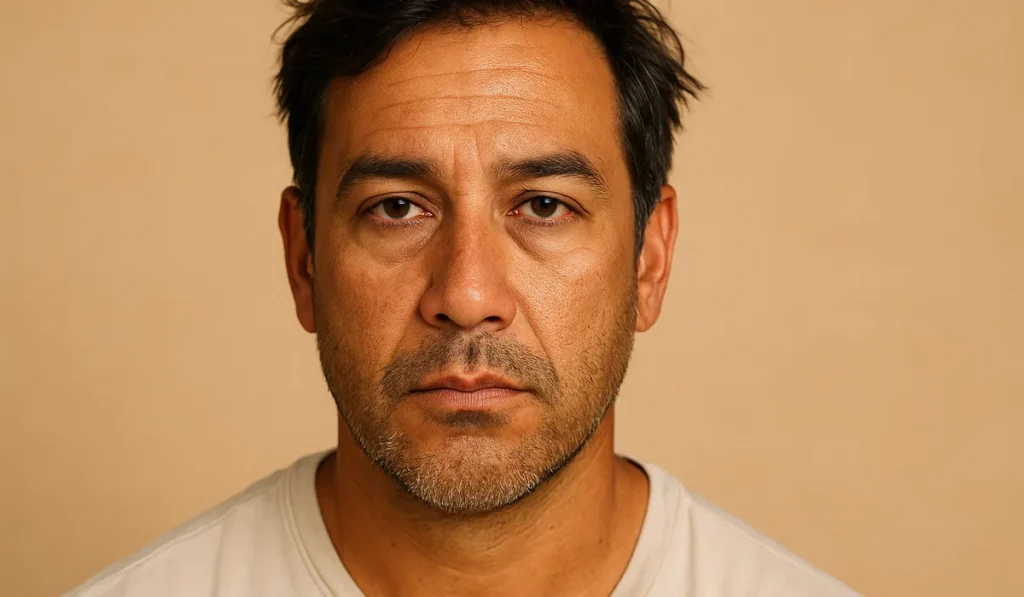
“Tired eyes describe a worn or fatigued appearance around the eye area, even when you feel rested. This is not a medical diagnosis but a common way people describe concerns such as puffiness, hollows, dark circles or changes in skin texture. These features can influence how alert or refreshed the face appears and may vary widely between individuals.

People often use this term when they notice:
• Puffiness or fullness under the eyes
• Shadows or hollows beneath the eyelid
• Dark circles
• Fine lines
• Heaviness on the upper eyelid

If swelling is sudden, painful or linked with vision changes, seek medical review from your GP.
What causes tired eyes?

Cause #1 – Age related changes
The structures supporting the eye area may soften over time. This may contribute to puffiness, shadowing or changes in skin firmness.

Cause #2 – Volume changes
Some people notice the appearance of hollows or shadows when the tissues around the eyes or cheeks change with time.

Cause #3 – Puffiness or fluid retention
Fluid can collect under the eyes due to sleep patterns, hydration, diet or hormonal shifts. This can make the area look more tired.

Cause #4 – Repeated expressions
Lines linked with frequent movement such as smiling or squinting can gradually become more visible, contributing to the overall appearance of tiredness.

Cause #5 – Skin characteristics
Some people naturally have thinner skin or pigment patterns that make the under eye area look darker.

Cause #6 – Upper eyelid or brow heaviness
Features such as a naturally low brow or changes in upper eyelid skin can cast shadows and influence how refreshed the eyes appear.

Does everyone get tired eyes?

Not everyone experiences tired eyes in the same way. Differences can relate to several factors.

Factor #1 – Genetics
Natural bone structure, skin thickness and fat distribution vary between people. These inherited traits influence how the under eye area looks.

Factor #2 – Lifestyle
Sleep, hydration, stress, screen use and general health habits can influence day to day changes in the eye area.

Factor #3 – Ageing and expression
As the face changes over time, some individuals notice features that contribute to a tired appearance, even if they previously appeared bright and well rested.

Frequently Asked Questions 

What causes the appearance of tired eyes if I’m well rested?

A tired appearance may relate to factors other than sleep, such as fluid retention, genetic traits, changes in support structures or differences in pigmentation. A practitioner can assess what may be contributing for you.

Are tired eye treatments safe?

All medical procedures carry risks. It’s important to speak with a qualified Australian healthcare practitioner before deciding on any treatment. They will assess your needs and explain the risks and benefits. 

Will I need ongoing treatment?

This depends on your goals and the options you choose to explore. Your practitioner can provide individual guidance during your consultation.

Are tired eye treatments covered by Medicare in Australia? 

Most cosmetic procedures are not eligible for rebates. In some medical situations, such as when upper eyelid skin affects vision, limited support may apply. Your GP or surgeon can advise based on current Medicare criteria.

Share This

Treatment Options

Tired Eyes

If you are concerned about Tired Eyes, a qualified healthcare practitioner can explain what may be suitable for you after a personal assessment.

  Surgical

Tired Eyes

For personalised advice, it is always recommended to consult with a qualified healthcare provider who can guide you through the most appropriate treatment options for your specific needs, including Tired Eyes.

In Australia, any cosmetic surgery requires a GP referral, preoperative consultations and a cooling off period of at least seven days. Surgery must be completed by a qualified doctor in accredited premises.

Lower blepharoplasty consultation

A lower blepharoplasty consultation is an appointment with a doctor who is qualified in eyelid surgery, such as a specialist plastic surgeon or an ophthalmologist with additional oculoplastic training. The practitioner will review your medical history, examine the under eye area and explain what this type of surgery involves. They will also discuss possible risks, expected recovery and alternatives. No procedure is performed on the day.

→ More about lower blepharoplasty consultation

Upper blepharoplasty consultation

An upper blepharoplasty consultation focuses on upper eyelid heaviness or skin that sits lower on the lash line. The surgeon will assess the upper eyelid structure, review your health history and discuss whether this type of procedure may be suitable for your circumstances. Risks, recovery and alternative options will be explained.

→ More about upper blepharoplasty consultation


Mirror Mirror connects you with qualified practitioners who have been thoroughly vetted to meet safety and professional standards.


Disclaimer:

Surgical procedures involve risks, and outcomes can vary. This information is general and not a substitute for professional medical advice. Consult a qualified health practitioner to determine if a procedure is appropriate for you.

  Practitioners Near You

Find Practitioners Near You

  Non-Surgical

Tired Eyes

For personalised advice, it is always recommended to consult with a qualified healthcare provider who can guide you through the most appropriate treatment options for your specific needs, including Tired Eyes.

Fine lines consultation

Some professional approaches may help reduce the appearance of fine lines linked with repeated movement. In Australia, these consultations must be completed by a qualified doctor, nurse or dentist. Your practitioner will discuss whether any professional options are suitable. Specific treatment details cannot be provided here to comply with Australian advertising regulations.

→ More about facial lines consultation

Volume loss consultation

Changes in facial structure can create shadows beneath the eyes. A consultation allows a qualified practitioner to examine your features, review your medical history and explain which professional pathways may be discussed. Not all options suit everyone, and a personalised assessment is essential.

→ More about volume loss consultation

PRP consultation

A PRP consultation involves discussing whether autologous platelet rich plasma may be considered for concerns relating to overall skin quality. PRP uses a portion of your own blood, which is prepared during the appointment. Evidence continues to develop and responses vary. Your practitioner will explain risks and suitability.

→ More about PRP consultation

Polynucleotide consultation

A consultation for polynucleotide based treatments allows you to explore whether these laboratory prepared DNA fragments may be appropriate for your skin concerns. Some people discuss these approaches when seeking general support for skin quality. Evidence continues to evolve and outcomes vary. A qualified practitioner can guide you through safety considerations and suitability.

→ More about polynucleotides consultation


Disclaimer:

Non-surgical medical treatments carry risks, and results may vary. This information is general and not a substitute for professional medical advice. Consult a qualified health practitioner to determine if a procedure is appropriate for you.

  Practitioners Near You

Find Practitioners Near You

  Skincare

Tired Eyes

Targeted eye creams
Some people use eye creams that contain cosmetic ingredients such as caffeine, peptides or antioxidants. These products are designed to support hydration and help the eye area look brighter or more refreshed. Your practitioner or skincare professional can guide you on which formulations may suit your skin.

Hydration and barrier support
Keeping the under eye area well hydrated may help the skin feel smoother and more comfortable. Many people use gentle moisturisers or hydrating serums to support the skin’s natural barrier.

Sun protection
Daily sunscreen and protective eyewear such as sunglasses can help minimise UV exposure to the delicate eye area. This may support long term skin comfort and overall skin health.

  Getting Advice

For personalised advice, it is always recommended to consult with a qualified healthcare provider who can guide you through the most appropriate treatment options for your specific needs, including Tired Eyes.

  Talk To A Practitioner

Consult with a verified practitioner near you about Tired Eyes:

  Show practitioners near you