Acne

Concerns»Cheeks»Acne
  Medically reviewed by Mirror Mirror Editorial Team

  Summary

  1. Definition of Acne
  2. Causes
  3. Does everyone get Acne?
  4. FAQ
  5. Treatment Options:
  6. Getting Advice
  7. Related Posts

What is acne? 

Acne is a common skin condition that occurs when hair follicles become blocked with oil, dead skin cells, and bacteria. It often appears on the face, chest, shoulders, and back and can range from mild to severe.

While acne is most common in teenagers, many adults experience persistent breakouts into their 30s, 40s, and beyond. Acne is very common and is not a sign of poor hygiene. Many people manage it with simple skincare, some see their GP or pharmacist, and others choose not to treat it at all.
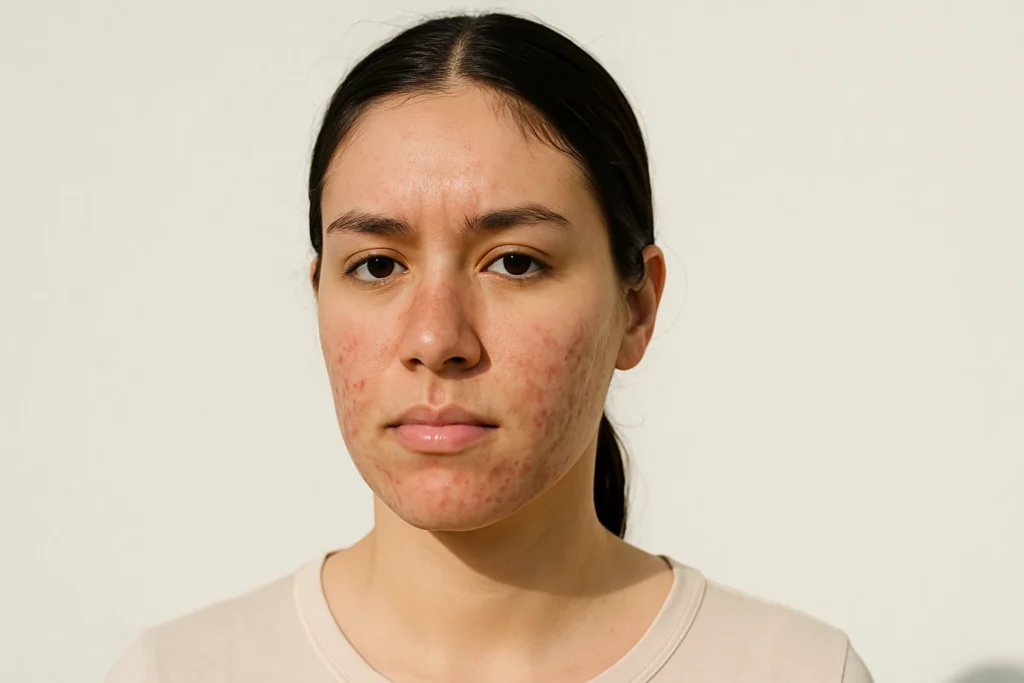
Young woman with acne on her cheeks and chin

Types of acne 

Understanding the different types of acne can help in identifying and treating them effectively:Ā 

Comedones 

  • Whiteheads: Closed comedones that appear as small, flesh-coloured bumps. They form when hair follicles are clogged with oil and dead skin cells but remain closed. 
  • Blackheads: Open comedones that appear as small black spots. They form when the clogged pores are open, and the trapped oil oxidises, turning black. 

Papules 
Small, red, tender bumps caused by inflamed or infected hair follicles. They do not contain pus and may feel sore to the touch. 

Pustules 
Red, inflamed bumps that contain pus. They resemble whiteheads surrounded by red rings and are often painful or sensitive. 

Nodules 
Large, painful, solid lumps beneath the surface of the skin. Nodules result from deep inflammation and may lead to scarring if not treated appropriately. 

CystsĀ 
Deep, painful, pus-filled lumps beneath the skin. Cysts are often the most severe form of acne and can leave significant scars.

What causes acne? 

Cause #1 – Hormonal fluctuations 
Hormones play a major role in oil production. Changes during puberty, menstruation, pregnancy, or stress can all increase sebum levels and trigger breakouts. 

Cause #2 – Genetics 
If your parents had acne, you’re more likely to develop it too. Genetics can influence how much oil your skin produces and how your body responds to inflammation. 

Cause #3 – Clogged pores 
Dead skin cells that aren’t properly shed can mix with oil and block the pores, creating an environment for bacteria to grow. 

Cause #4 – Bacteria 
When pores become clogged, bacteria can multiply and cause the surrounding tissue to become inflamed, leading to red, painful lesions. 

Cause #5 – Lifestyle factors 
Diet, stress, skincare products, and environmental exposure can all contribute to acne. Frequent touching of the face may also make it worse. 

Why do I have acne and others don’t? 

Factor #1 – Skin type and oil production
People with oily or combination skin are more prone to clogged pores and congestion.

Factor #2 – Hormonal sensitivity 
Even with similar hormone levels, some individuals have more sensitive oil glands that react more aggressively.

Factor #3 – Genetics 
Some people are genetically predisposed to inflammatory responses, oil production, or slower skin turnover.

Factor #4 – Product and skincare habits 
Over-exfoliating, skipping moisturiser, or using pore-clogging products can worsen acne, especially if the skin barrier is damaged. 

Factor #5 – Environment and stress 
Humidity, pollution, stress, and diet may not directly cause acne but can exacerbate existing skin conditions in people who are already prone.

Living with acne

Acne affects people in different ways. Some people notice:

  • Physical discomfort: Inflamed spots, nodules and cysts can be tender or painful.
  • Marks after breakouts: Red or brown marks can remain for weeks or months after a spot heals. Deeper acne can sometimes leave scarring.
  • Changes to skincare and makeup: Some products can block pores, so people often adjust what they use.

Some people are not bothered by their acne. Others choose to seek advice. If acne is affecting how you feel day to day, your GP is a good first step.

Frequently Asked Questions 

Q: What treatment options are there for acne in Australia? 
A: Options depend on the type and severity of acne. A GP, dermatologist or qualified practitioner may discuss a combination of medical-grade skincare, prescription products, and clinical treatments such as LED Light Therapy and chemical peels. 

Q: Can acne be cured permanently? 
A: Acne can often be controlled very effectively, but flare-ups can still happen, especially with hormonal changes or stress. Long-term results depend on consistent care and individual factors. 

Q: Can acne scars be removed?Ā 
A: While scars can’t always be removed entirely, some treatments may improve their appearance, including microneedling and laser-based therapies. Results vary between people.

Q: Are acne treatments safe? 
A: All medical procedures carry risks. It’s important to speak with a qualified Australian healthcare practitioner before starting any treatment to ensure it’s suitable for your skin type and history. 

Q: Will Medicare cover acne treatments in Australia?Ā 
A: Medicare does not usually cover treatments for mild to moderate acne. Some dermatology consultations or procedures may be eligible for a rebate. Always check with your practitioner.Ā 

Young man with acne on his cheeks and forehead

Treatment options and finding a practitioner

You can choose not to treat acne. Mild acne often improves with gentle skincare and time. If you would like advice, a pharmacist, GP or dermatologist can discuss options including skincare and prescription medicines.

Some people also explore clinical treatments. A practitioner may discuss options depending on your skin, health history and goals.

Non-surgical consultations

In Australia, these must be completed by a qualified doctor, nurse, or dentist.

All treatments carry risks, which can include redness, irritation, pigment changes and, rarely, burns or scarring. A registered practitioner will explain the risks, recovery time and costs at your consultation. Results vary between people.

Please note that specific treatment details cannot be provided here to comply with Australian advertising regulations.

Find a verified practitioner

Every practitioner on Mirror Mirror has had their registration, qualifications, insurance and experience checked. Find a verified practitioner near you.

Treatment Options

Acne

If you are concerned about Acne, a qualified healthcare practitioner can explain what may be suitable for you after a personal assessment.

  Surgical

Acne

For personalised advice, it is always recommended to consult with a qualified healthcare provider who can guide you through the most appropriate treatment options for your specific needs, including Acne.

Surgical and Procedural Options for Acne Scarring

There are no surgical procedures for active acne.

In cases of visible scarring from previous breakouts, certain procedural or surgical options may help improve the appearance of skin texture and contour.

  • Subcision: A minor procedure that involves releasing fibrous bands beneath the skin to help smooth depressed scars.

  • Punch excision or scar revision: Techniques that remove or reshape individual scars, depending on their size and depth.

These procedures should only be performed by qualified specialists, such as dermatologists or plastic surgeons, in accredited medical facilities.


Disclaimer:

Surgical procedures involve risks, and outcomes can vary. This information is general and not a substitute for professional medical advice. Consult a qualified health practitioner to determine if a procedure is appropriate for you.

  Practitioners Near You

Find Practitioners Near You

  Non-Surgical

Acne

For personalised advice, it is always recommended to consult with a qualified healthcare provider who can guide you through the most appropriate treatment options for your specific needs, including Acne.

For many people, acne management involves a combination of prescription options, in-clinic treatments, and supportive lifestyle guidance. The most appropriate plan depends on the severity of acne, skin type, and any underlying causes.

Hormonal Management

In some people, acne may be influenced by hormonal changes, especially in adult women. In these cases, hormonal therapies may be considered to help regulate oil production and reduce the likelihood of breakouts. These options must be assessed and prescribed by a qualified medical practitioner and are not suitable for everyone.

Medical Treatments

A healthcare practitioner may recommend topical or oral medicines that help control oil, reduce inflammation, or target bacteria on the skin. These must be prescribed by an Australian-registered doctor or nurse practitioner.

Medical Chemical Peels

Certain chemical peels may help remove surface buildup, clear blocked pores, and support skin renewal. They can also assist in reducing visible pigmentation left after acne. Chemical peels should only be performed by trained professionals familiar with acne-prone skin.

Professional Extractions

Performed by qualified dermal therapists, these procedures gently clear blackheads and whiteheads in a sterile environment. This can help reduce congestion and support clearer skin. Ongoing maintenance may be required to help prevent future breakouts.

LED Light Therapy

LED therapy that uses blue or red wavelengths may help calm inflammation and support clearer skin. These sessions are non-invasive and can be used alongside other professional treatments.

Laser and other Light Based Therapies

Some clinics offer professional light-based or laser treatments (for example certain wavelengths of laser, intense pulsed light or photodynamic therapies) that may help reduce inflammation, decrease oil/sebum production and improve the appearance of acne-prone skin.

Lifestyle and Nutrition Support

For some people, factors such as stress, high-glycaemic diets, or dairy intake may influence acne flare-ups. While not a direct cause, these elements can contribute in certain individuals. A healthcare practitioner or dietitian can provide personalised guidance to support overall skin health.

In Australia, these approaches must be provided or supervised by a qualified doctor, nurse, dermal therapist or dietitian working within their scope of practice.

Please note that specific treatment details cannot be provided here to comply with Australian advertising regulations.


Disclaimer:

Non-surgical medical treatments carry risks, and results may vary. This information is general and not a substitute for professional medical advice. Consult a qualified health practitioner to determine if a procedure is appropriate for you.

  Practitioners Near You

Find Practitioners Near You

  Skincare

Acne

A consistent, gentle skincare routine can help support clearer skin and complement professional acne management. It’s important to choose products suited to your skin type and introduce them gradually.

Cleansing and Exfoliation

Using a mild, non-abrasive cleanser can help keep pores clear without irritating the skin. Avoid harsh scrubs or over-cleansing, which can increase redness or dryness.

Targeted Ingredients

Products containing ingredients such as salicylic acid, niacinamide, or benzoyl peroxide may help manage congestion and reduce surface oil. Always patch test new products and introduce them slowly to monitor how your skin responds.

Oil-Free Moisturisers

Hydration remains important for acne-prone skin. Choose lightweight, non-comedogenic moisturisers that support the skin barrier without clogging pores.

Sun Protection

Daily use of sunscreen is essential. Some acne treatments may increase sensitivity to the sun, and UV exposure can contribute to post-inflammatory pigmentation. Choose an oil-free or non-comedogenic SPF where possible.


It’s best to seek guidance from a qualified skincare professional, doctor, or dermal therapist to tailor a routine that suits your individual skin needs.

  Getting Advice

For personalised advice, it is always recommended to consult with a qualified healthcare provider who can guide you through the most appropriate treatment options for your specific needs, including Acne.

  Talk To A Practitioner

Consult with a verified practitioner near you about Acne:

  Show practitioners near you