Under-Eye Hollows / Tear Troughs 

Concerns»Eyes»Under-Eye Hollows / Tear Troughs 
  Medically reviewed by Mirror Mirror Editorial Team

  Summary

  1. Definition of Under-Eye Hollows / Tear Troughs 
  2. Causes
  3. Does everyone get Under-Eye Hollows / Tear Troughs ?
  4. FAQ
  5. Treatment Options:
  6. Getting Advice
  7. Related Posts

What are under-eye hollows / tear troughs?

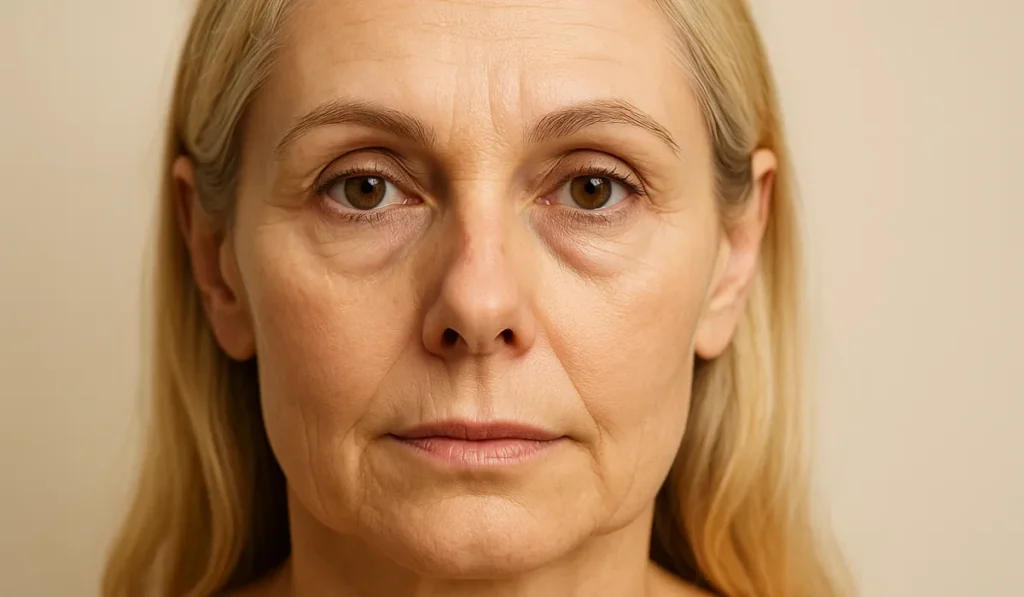
Under-eye hollows, also known as tear troughs, refer to the groove between the lower eyelid and the upper cheek. When this area deepens, it can create shadows or a sunken appearance under the eyes. This may result in a tired look, even when well-rested.

Many Australians search for safe and effective ways to support the appearance of the tear trough area and reduce signs of shadowing or volume loss.

What causes under-eye hollows / tear troughs? 

Several factors contribute to the development or worsening of tear troughs: 

Cause #1 – Ageing 
With age, the body naturally loses collagen, fat and bone density in the mid-face. This can lead to reduced structural support and a more prominent hollow under the eye.

Cause #2 – Genetics 
Some people are born with a more defined tear trough area due to facial structure or inherited skin characteristics. Tear troughs are often seen in multiple members of the same family. 

Cause #3 – Skin Thinning 
The skin under the eyes is naturally thin and may become thinner over time due to sun exposure, lifestyle choices and natural ageing. As this occurs, underlying structures become more visible, which can exaggerate hollowing or pigmentation.

Cause #4 – Cheek Volume Loss 
Loss of volume in the cheeks can reduce support for the under-eye area. This creates a sharper transition between the lower eyelid and mid-face, casting a shadow and contributing to the hollow appearance. 

Cause #5 – Fat Pad Descent 
As facial fat pads shift lower with age, the under-eye region may appear more hollow and less supported. 

Does everyone get tear troughs? 

Why do I have them and others don’t? 

Not everyone experiences visible tear troughs. Several factors influence how and when they appear: 

Factor #1 – Facial Structure 
The shape of your cheekbones, eyes and mid-face determines how prominent the area looks.

Factor #2 – Genetics 
Family history plays a significant role in whether tear troughs appear early or are more defined. 

Factor #3 – Age-Related Volume Loss 
Tear troughs can become more obvious over time due to collagen, fat, and bone loss which are all part of the natural ageing process. 

Factor #4 – Skin and Lifestyle Care 
Poor skincare habits, dehydration, lack of sun protection, and smoking can speed up volume loss and skin thinning in the under-eye area. 

Frequently Asked Questions 

What is the best treatment for tear troughs in Australia? 

There is no single best option, as suitability depends on individual factors such as anatomy and the underlying cause of the concern. Some people explore professional treatments that may help support skin quality or volume under the eyes. Others may consider surgical options in more advanced cases.

These procedures must be carried out by qualified healthcare professionals, such as doctors, nurses, or dentists. A consultation is essential to discuss your individual goals and determine what may be appropriate for you.

Are tear trough treatments safe? 

All medical procedures carry risks. It’s important to discuss your individual concerns and medical history with a qualified healthcare practitioner before deciding on any treatment. The under-eye area is delicate, so treatments in this region should only be performed by someone trained in facial anatomy with appropriate qualifications. 

Can tear troughs be removed permanently? 

No procedure can guarantee permanent results, as changes in the under-eye area are influenced by factors such as ageing, genetics, and lifestyle. Some surgical options may provide longer-lasting improvement for certain individuals, while non-surgical approaches generally offer temporary results and may require maintenance over time.

It’s important to consult a qualified healthcare professional to discuss your individual concerns and understand which options may be appropriate for you.

Are tear trough treatments covered by Medicare in Australia? 

Treatments for cosmetic purposes are not usually covered. Always check with your healthcare provider. 
Share This

Treatment Options

Under-Eye Hollows / Tear Troughs 

If you are concerned about Under-Eye Hollows / Tear Troughs , a qualified healthcare practitioner can explain what may be suitable for you after a personal assessment.

  Surgical

Under-Eye Hollows / Tear Troughs 

For personalised advice, it is always recommended to consult with a qualified healthcare provider who can guide you through the most appropriate treatment options for your specific needs, including Under-Eye Hollows / Tear Troughs .

Fat Transfer (Autologous Fat Grafting) Consultation: 

Fat transfer involves using a person’s own fat to support areas where volume has changed, such as the under-eye region. Fat is typically collected from areas like the thighs or abdomen using a liposuction technique, purified, and then reintroduced to the face.

This procedure is performed by qualified specialists, such as oculoplastic or facial plastic surgeons, in accredited medical facilities. Suitability depends on individual factors and goals. These procedures carry risks and should be discussed with your surgeon before treatment.

Lower Blepharoplasty with Fat Transfer Consultation:

This surgical procedure combines lower eyelid surgery with autologous fat grafting to support both the eyelid and cheek area. It may be considered for individuals with more advanced structural changes or hollowing.

The procedure is performed by qualified oculoplastic or facial plastic surgeons. As with all surgical interventions, it carries risks and requires a detailed consultation to determine if it is appropriate.

→ More about lower blepharoplasty consultation

Surgical options may provide longer-lasting changes but also involve downtime and a higher risk profile. It is important to discuss expectations, risks, and alternatives with a qualified specialist.


Disclaimer:

Surgical procedures involve risks, and outcomes can vary. This information is general and not a substitute for professional medical advice. Consult a qualified health practitioner to determine if a procedure is appropriate for you.

  Practitioners Near You

Find Practitioners Near You

  Non-Surgical

Under-Eye Hollows / Tear Troughs 

For personalised advice, it is always recommended to consult with a qualified healthcare provider who can guide you through the most appropriate treatment options for your specific needs, including Under-Eye Hollows / Tear Troughs .

Volume Loss Consultation:

Some professional treatments may help support the under-eye area by addressing changes related to volume or skin structure. These approaches are sometimes explored to enhance overall balance in the mid-face region. In Australia, these must be completed by a qualified doctor, nurse, or dentist.

Please note that specific treatment details, product names, and prescription-only medications cannot be discussed here to comply with Australian advertising regulations.

→ More about volume loss consultation

Polynucleotide Consultation:

Polynucleotide-based treatments are designed to support healthy skin function and hydration. In the under-eye region, they are sometimes used to improve the appearance of texture and elasticity over time.

→ More about polynucleotides consultation

PRP (Platelet-Rich Plasma) Consultation:

Platelet-Rich Plasma (PRP) involves collecting a small sample of a person’s own blood, concentrating the platelets, and reintroducing them to the skin. PRP contains growth factors that may support natural repair processes and promote a healthier skin appearance.

In Australia, this must be completed by a qualified doctor, nurse, or dentist.

→ More about PRP consultation


Disclaimer:

Non-surgical medical treatments carry risks, and results may vary. This information is general and not a substitute for professional medical advice. Consult a qualified health practitioner to determine if a procedure is appropriate for you.

  Practitioners Near You

Find Practitioners Near You

  Skincare

Under-Eye Hollows / Tear Troughs 

Eye Creams: 

Targeted eye creams that include peptides, antioxidants, or caffeine can support the skin around the eyes by improving hydration, reducing puffiness, and softening shadows. 

Hydration and Barrier Support: 

Hydrating serums and moisturisers help plump the skin and minimise the visibility of tear troughs. Maintaining a strong skin barrier can slow down the thinning of under-eye skin over time. 

Sun Protection: 

Daily use of a broad-spectrum sunscreen and wearing sunglasses outdoors may help protect the delicate under-eye area from UV exposure. Consistent protection can support skin health and reduce the risk of premature thinning or colour changes in this region.

  Getting Advice

For personalised advice, it is always recommended to consult with a qualified healthcare provider who can guide you through the most appropriate treatment options for your specific needs, including Under-Eye Hollows / Tear Troughs .

  Talk To A Practitioner

Consult with a verified practitioner near you about Under-Eye Hollows / Tear Troughs :

  Show practitioners near you