What is acne?
Acne is a common skin condition that occurs when hair follicles become blocked with oil, dead skin cells, and bacteria. It often appears on the face, chest, shoulders, and back and can range from mild to severe.
While acne is most common in teenagers, many adults experience persistent breakouts into their 30s, 40s, and beyond. In Australia, acne is one of the most frequently searched skin concerns, with many people looking for effective treatment options that go beyond surface-level skincare.
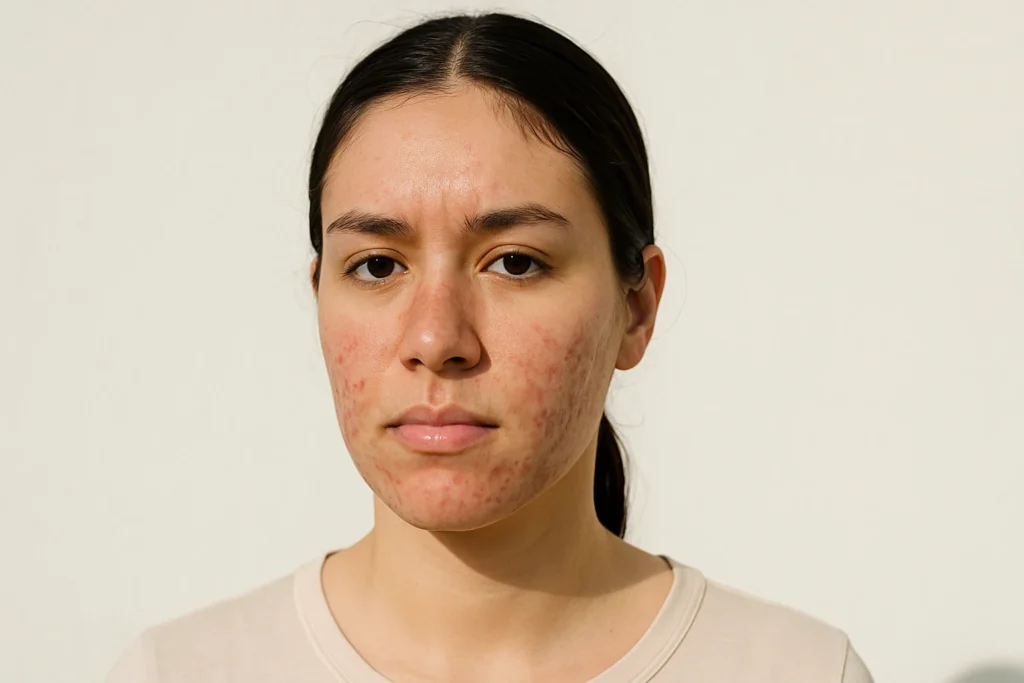
Types of acne
Understanding the different types of acne can help in identifying and treating them effectively:
Comedones
- Whiteheads: Closed comedones that appear as small, flesh-coloured bumps. They form when hair follicles are clogged with oil and dead skin cells but remain closed.
- Blackheads: Open comedones that appear as small black spots. They form when the clogged pores are open, and the trapped oil oxidises, turning black.
Papules
Small, red, tender bumps caused by inflamed or infected hair follicles. They do not contain pus and may feel sore to the touch.
Pustules
Red, inflamed bumps that contain pus. They resemble whiteheads surrounded by red rings and are often painful or sensitive.
Nodules
Large, painful, solid lumps beneath the surface of the skin. Nodules result from deep inflammation and may lead to scarring if not treated appropriately.
Cysts
Deep, painful, pus-filled lumps beneath the skin. Cysts are often the most severe form of acne and can leave significant scars.
What causes acne?
Cause #1 – Hormonal fluctuations
Hormones play a major role in oil production. Changes during puberty, menstruation, pregnancy, or stress can all increase sebum levels and trigger breakouts.
Cause #2 – Genetics
If your parents had acne, you’re more likely to develop it too. Genetics can influence how much oil your skin produces and how your body responds to inflammation.
Cause #3 – Clogged pores
Dead skin cells that aren’t properly shed can mix with oil and block the pores, creating an environment for bacteria to grow.
Cause #4 – Bacteria
When pores become clogged, bacteria can multiply and cause the surrounding tissue to become inflamed, leading to red, painful lesions.
Cause #5 – Lifestyle factors
Diet, stress, skincare products, and environmental exposure can all contribute to acne. Frequent touching of the face may also make it worse.
Why do I have acne and others don’t?
Factor #1 – Skin type and oil production
People with oily or combination skin are more prone to clogged pores and congestion.
Factor #2 – Hormonal sensitivity
Even with similar hormone levels, some individuals have more sensitive oil glands that react more aggressively.
Factor #3 – Genetics
Some people are genetically predisposed to inflammatory responses, oil production, or slower skin turnover.
Cause #4 – Product and skincare habits
Over-exfoliating, skipping moisturiser, or using pore-clogging products can worsen acne, especially if the skin barrier is damaged.
Cause #5 – Environment and stress
Humidity, pollution, stress, and diet may not directly cause acne but can exacerbate existing skin conditions in people who are already prone.
The impact of acne
Acne doesn’t just affect the skin, it can have a significant impact on mental and emotional health. Many people experience:
- Lowered self-esteem: Persistent acne can make individuals feel self-conscious or ashamed of their appearance.
- Social withdrawal: Breakouts can lead some people to avoid social events or photos, impacting relationships and confidence.
- Emotional distress: Chronic acne may lead to anxiety, frustration, and even depression.
- Exacerbated skin issues: Acne can worsen the appearance of tired eyes, deepen tear troughs, and accentuate the nasolabial folds and jawline, creating an aged or saggy look.
Frequently Asked Questions
Q: What’s the best treatment for acne in Australia?
A: The best treatment depends on the type and severity of acne. A qualified practitioner may recommend a combination of medical-grade skincare, prescription products, and clinical treatments such as LED Light Therapy and chemical peels.
Q: Can acne be cured permanently?
A: Acne can often be controlled very effectively, but flare-ups can still happen, especially with hormonal changes or stress. Long-term results depend on consistent care and individual factors.
Q: Can acne scars be removed?
A: While scars can’t always be removed entirely, there are treatments that can significantly improve their appearance, including microneedling, and laser-based therapies.
Q: Are acne treatments safe?
A: All medical procedures carry risks. It’s important to speak with a qualified Australian healthcare practitioner before starting any treatment to ensure it’s suitable for your skin type and history.
Q: Will Medicare cover acne treatments in Australia?
A: Medicare does not usually cover treatments for mild to moderate acne. Some dermatology consultations or procedures for may be eligible for a rebate. Always check with your practitioner.