Hooded Eyes

Concerns»Eyes»Hooded Eyes
  Medically reviewed by Mirror Mirror Editorial Team

  Summary

  1. Definition of Hooded Eyes
  2. Causes
  3. Does everyone get Hooded Eyes?
  4. FAQ
  5. Treatment Options:
  6. Getting Advice
  7. Related Posts

What Hooded Eyes?

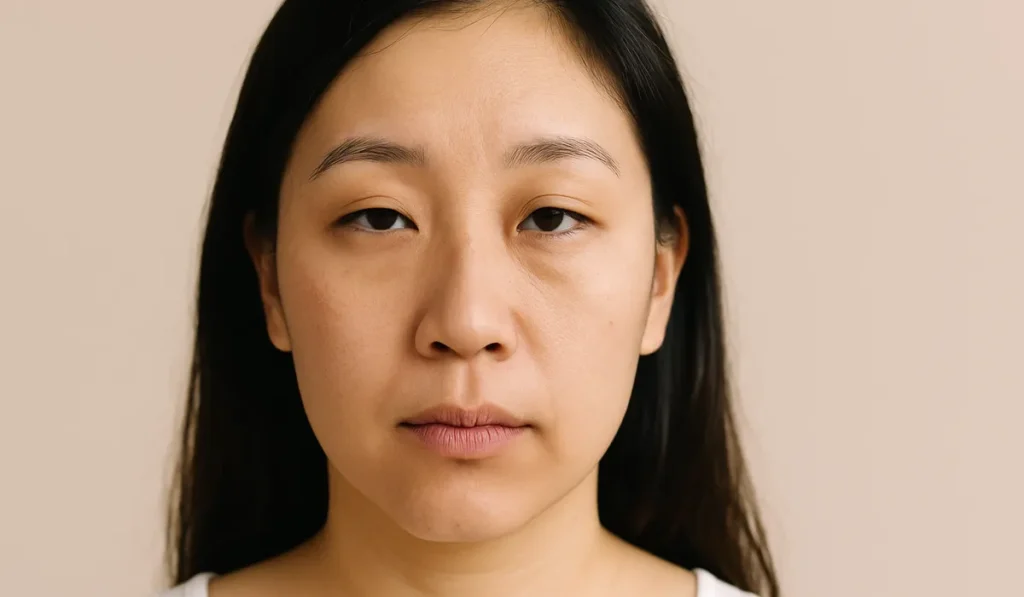
Hooded eyes describe a natural variation where the skin from the upper eyelid or brow folds downward, covering part of the upper eyelid. This may create the appearance of a smaller or heavier-looking upper eyelid.

Some people are born with hooded eyes. Others notice changes over time due to ageing, skin laxity, or volume shifts in the upper face. Hooded eyes are common and not a sign of poor health. If hooding develops suddenly or affects vision, speak with your GP.
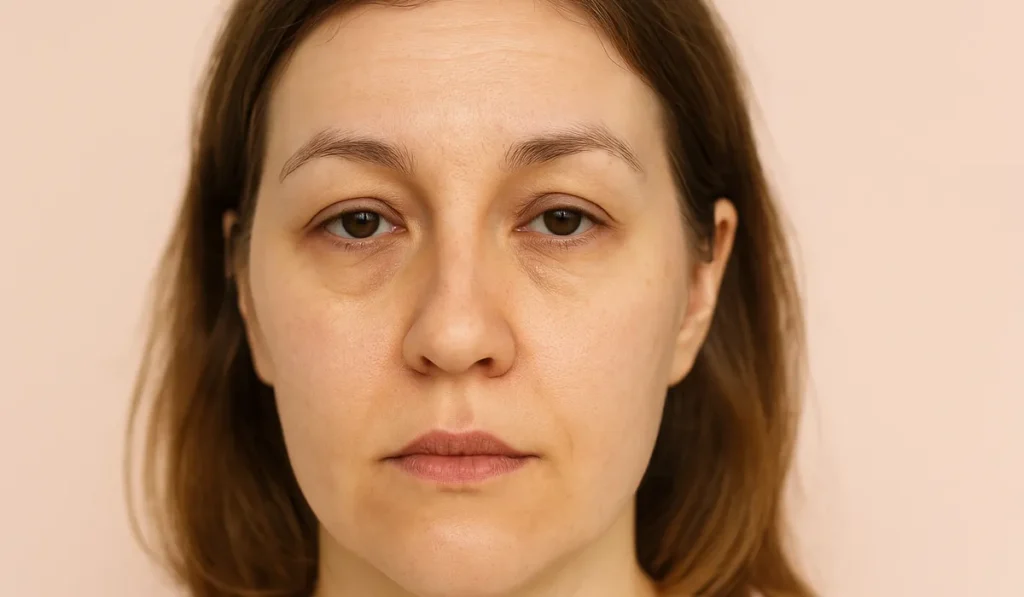
What causes hooded eyes?

Cause #1 – Genetics

Some people naturally have a lower brow position or less visible upper eyelid. These anatomical traits can make hooding more noticeable.

Cause #2 – Age related changes

The skin and soft tissue of the upper face naturally become softer with age. This may increase the appearance of hooding for some people.

Cause #3 – Brow descent

Changes in muscle activity, soft tissue support, or bone structure may contribute to a gradual lowering of the brow, which can make the upper eyelid look heavier.

Cause #4 – Skin laxity and volume patterns

As skin elasticity changes and facial volume shifts, the upper eyelid region may appear more folded or creased.

Does everyone get hooded eyes?

Factor #1 – Bone structure

The shape of the brow bone and eye socket varies between individuals. These features influence how much upper eyelid skin is visible.

Factor #2 – Skin quality

People with thinner or sun damaged skin may notice hooding earlier or more prominently.

Factor #3 – Age and expression

Lifestyle patterns, repeated facial movements, and changes in upper facial support can influence how hooded eyes appear over time.

Factor #4 – Family traits

If hooded eyes run in your family, you may be more likely to develop them.

The impact of hooded eyes:

• Makeup application
• Perception of heaviness around the eyes
• How open or alert the eyes appear
• Confidence

Some people feel unbothered. Others prefer supportive skincare, lifestyle changes, or a professional consultation to understand their options.

Treatment decisions are personal and should always be based on a full consultation with a qualified practitioner.


Frequently Asked Questions 

Do hooded eyes need treatment?

No. Hooded eyes are a normal variation. Some people seek advice for personal or functional reasons, especially if hooding affects vision or comfort.

Can hooded eyes be improved without surgery?

Some non surgical approaches may help support the appearance of the skin or brow area. Suitability varies for each person and must be discussed in a consultation with a qualified practitioner.

Are hooded eye treatments safe? 

All medical procedures carry risks. A consultation with a qualified Australian healthcare practitioner is essential to explore what may suit your individual situation.

Can Medicare support hooded eye treatments? 

Medicare may assist when hooding affects vision or daily function. Eligibility must be assessed by a qualified medical practitioner.

Share This

Treatment Options

Hooded Eyes

If you are concerned about Hooded Eyes, a qualified healthcare practitioner can explain what may be suitable for you after a personal assessment.

  Surgical

Hooded Eyes

For personalised advice, it is always recommended to consult with a qualified healthcare provider who can guide you through the most appropriate treatment options for your specific needs, including Hooded Eyes.

Upper blepharoplasty consultation

An upper blepharoplasty consultation allows you to discuss concerns related to excess skin or heaviness of the upper eyelid. During the appointment, a qualified surgeon will review your medical history, examine the upper eyelid structure, and explain what the procedure involves. You can discuss suitability, risks, recovery considerations, and available alternatives. No procedure is performed on the day.

→ More about upper blepharoplasty consultation

In Australia, cosmetic eyelid surgery requires a GP referral, preoperative consultations, and a cooling off period of at least seven days. Surgery must be performed by a qualified doctor in accredited medical premises.


Disclaimer:

Surgical procedures involve risks, and outcomes can vary. This information is general and not a substitute for professional medical advice. Consult a qualified health practitioner to determine if a procedure is appropriate for you.

  Practitioners Near You

Find Practitioners Near You

  Non-Surgical

Hooded Eyes

For personalised advice, it is always recommended to consult with a qualified healthcare provider who can guide you through the most appropriate treatment options for your specific needs, including Hooded Eyes.

Fine Lines Consultation

A consultation for fine lines helps you understand why these changes appear and what options may support the appearance of smoother skin in the upper face. Your practitioner will assess the area, review your goals, and explain safe approaches for your situation.

Please note that specific treatment details and product names cannot be provided here to comply with Australian advertising regulations.

→ More about facial lines consultation

Radiofrequency Microneedling Consultation

A consultation for radiofrequency microneedling focuses on whether this category of energy based technology may be appropriate for your concerns. Your practitioner will assess the skin, review your medical history, and explain whether treatment in the upper eyelid or brow region is suitable.

Suitability varies, and not all devices can be used near the eyes. Your practitioner will discuss safe options and alternatives.

→ More about RF skin needling consultation

HIFU Consultation

A HIFU consultation allows you to explore whether this form of ultrasound based technology may suit your upper face concerns. Your practitioner will assess your anatomy and discuss safety considerations around the brow and eyelid area.

Not all devices or settings are appropriate for this region. Your practitioner will guide you on what is suitable for you.

→ More about HIFU consultation


Disclaimer:

Non-surgical medical treatments carry risks, and results may vary. This information is general and not a substitute for professional medical advice. Consult a qualified health practitioner to determine if a procedure is appropriate for you.

  Practitioners Near You

Find Practitioners Near You

  Skincare

Hooded Eyes

Firming Eye Creams:

Topical products made for the eye area often include ingredients such as peptides, antioxidants, or hydrating agents. These cosmetic formulations are designed to support the look and feel of the skin around the eyes. They will not remove excess skin, but many people use them to help maintain a smoother or more refreshed appearance.

Hydration and Sun Protection:

Keeping the skin well hydrated may help it look healthier and more comfortable day to day. Daily use of sunscreen and sunglasses protects the delicate upper eyelid area from UV exposure, which can influence how the skin looks over time.

  Getting Advice

For personalised advice, it is always recommended to consult with a qualified healthcare provider who can guide you through the most appropriate treatment options for your specific needs, including Hooded Eyes.

  Talk To A Practitioner

Consult with a verified practitioner near you about Hooded Eyes:

  Show practitioners near you

What to really ask
at your next consultation.

Get tailored questions for your next appointment.

Get Your Personalised Report