Smile Lines

Concerns»Cheeks»Smile Lines
  Medically reviewed by Mirror Mirror Editorial Team

  Summary

  1. Definition of Smile Lines
  2. Causes
  3. Does everyone get Smile Lines?
  4. FAQ
  5. Treatment Options:
  6. Getting Advice
  7. Related Posts

What are smile lines? 

What are smile lines? 

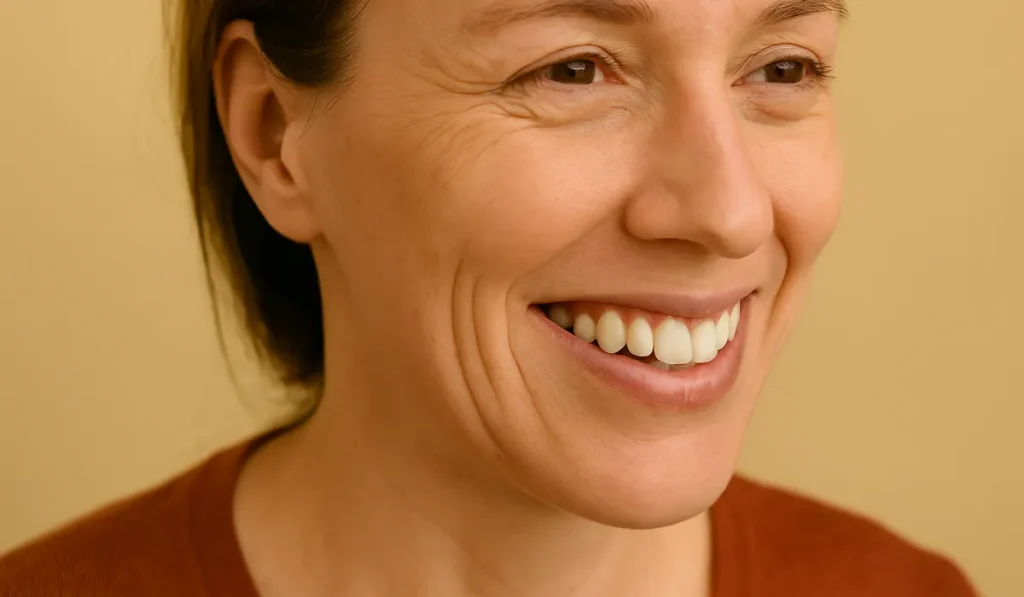
The term smile lines is commonly used to describe two types of facial creases:

  • Nasolabial folds: These are the deeper lines that run from the sides of the nose to the corners of the mouth
  • Accordion lines: These are short, curved vertical lines that radiate outward from the mouth or cheeks when smiling

Both types of lines are caused by repeated facial movement and natural ageing. While they are completely normal, they may become more pronounced over time, especially with volume loss or reduced skin elasticity. Many Australians seek to soften these lines as they become more permanent or create a tired appearance.
 

What causes smile lines and accordion lines? 

Cause #1 – Natural facial movement 
Smiling, laughing and speaking cause repeated folding in the same areas. As elasticity decreases, these creases can remain visible even when the face is at rest.

Cause #2 – Volume loss 
Mid-face fat and structural support naturally decline with age. This causes the skin to descend, deepening nasolabial folds and revealing accordion lines.

Cause #3 – Skin laxity 
Lower collagen and elastin levels reduce the skin’s ability to bounce back, contributing to permanent lines.

Cause #4 – Genetics 
Thinner skin, flatter cheeks, or highly expressive features may increase the likelihood of visible creases.

Cause #5 – Sun exposure and lifestyle 
UV damage, smoking, dehydration, and poor nutrition all speed up collagen breakdown and wrinkle formation.


Why do I have smile lines or accordion lines and others don’t? 

Factor #1 – Facial structure and fat distribution 
People with naturally fuller cheeks often have more support for the skin, which can reduce fold depth.

Factor #2 – Genetics 
Inherited traits like skin quality and expression patterns influence how and when lines develop.

Factor #3 – Ageing and movement 
Even those with smooth skin early in life may develop lines over time due to repeated expression and environmental factors.

Factor #4 – Lifestyle habits 
Chronic sun exposure, poor skincare, stress, and lack of hydration can contribute to the development and deepening of lines.


The impact of smile and accordion lines 

While natural and often linked to joyful expressions, deep smile and accordion lines can affect the way people feel about their appearance. Common concerns include: 

  • A tired or aged look – Deeper lines can drag the face down or cause shadowing. 
  • Unwanted skin creasing – Accordion lines may remain etched into the skin, even when not smiling. 
  • Makeup settling in lines – Products may collect in folds, making lines more noticeable. 
  • Feeling self-conscious – Some people feel their smile lines age them or give a worn-out look.  


Frequently Asked Questions 

Q: What’s the best treatment for smile or accordion lines in Australia? 
A: The most suitable approach depends on the depth and cause of the lines. Some people may benefit from surgical options, while others may respond well to non-surgical treatments that help support volume, improve skin firmness, and enhance overall texture. A consultation with a qualified healthcare professional will help determine what is appropriate for your individual needs and goals.

Q: Can I prevent accordion lines from forming? 
A: Facial movement is a natural part of expression, so lines cannot be completely prevented. You can help slow their development by protecting your skin from UV exposure, maintaining hydration, and using skincare that supports collagen and elasticity. Consistent sun protection and a healthy lifestyle make the biggest difference over time.

Q: Are smile and accordion line treatments safe? 
A: All procedures carry some level of risk. A qualified healthcare practitioner will assess your medical history, skin type, and treatment goals to recommend suitable options and explain potential risks and aftercare. Always choose a trained professional working within an accredited clinical environment.

Q: Will I lose my natural expressions? 
A: No. When performed by a qualified practitioner, treatments are designed to soften static lines while maintaining natural facial movement and expression. The goal is to refresh your appearance, not change how you express yourself.

Q: Are these treatments covered by Medicare? 
A: No. Cosmetic treatments for smile and accordion lines are not covered by Medicare in Australia.


Share This

Treatment Options

Smile Lines

If you are concerned about Smile Lines, a qualified healthcare practitioner can explain what may be suitable for you after a personal assessment.

  Surgical

Smile Lines

For personalised advice, it is always recommended to consult with a qualified healthcare provider who can guide you through the most appropriate treatment options for your specific needs, including Smile Lines.

Rhytidectomy (Facelift) Consultation
A rhytidectomy consultation is an appointment with a qualified doctor who has appropriate surgical training to assess whether a facelift procedure may be suitable for concerns related to deeper facial folds or changes in mid-face support.
Your practitioner will review your medical history, examine facial structure, and outline the general nature of the procedure, including risks and alternative approaches.
This appointment provides information only. In Australia, any cosmetic surgery must be performed by a qualified doctor in an accredited medical facility.


Autologous Fat Grafting (Fat Transfer) Consultation
An autologous fat grafting consultation focuses on whether transferring a person’s own fat to areas of volume depletion may be appropriate for softening deeper creases or changes in mid-face contour.
During this consultation, your practitioner will assess suitability, discuss broad procedural steps, and outline risks and expected recovery considerations.
Any surgical fat grafting procedure must be completed by a qualified doctor in accredited premises.


Disclaimer:

Surgical procedures involve risks, and outcomes can vary. This information is general and not a substitute for professional medical advice. Consult a qualified health practitioner to determine if a procedure is appropriate for you.

  Practitioners Near You

Find Practitioners Near You

  Non-Surgical

Smile Lines

For personalised advice, it is always recommended to consult with a qualified healthcare provider who can guide you through the most appropriate treatment options for your specific needs, including Smile Lines.

Volume Loss Consultation
A volume loss consultation helps determine whether changes in the mid face or nasolabial area are contributing to the appearance of smile lines. Your practitioner will review your facial structure and discuss suitable non surgical options. In Australia, these services must be provided by a qualified doctor, nurse, or dentist. Specific prescription products cannot be listed here to comply with advertising regulations.

Polynucleotide Consultation
This consultation explores whether polynucleotide based treatments may support overall skin quality. Your practitioner will assess your concerns and outline general expectations. These approaches focus on skin regeneration and must be performed by trained professionals.

Platelet Rich Plasma Consultation
A PRP consultation involves reviewing your skin and discussing whether a series of appointments using your own blood components may support texture and fine line concerns. Your practitioner will explain safety considerations and suitability.

HIFU Consultation
During a HIFU consultation, your practitioner will assess whether focused ultrasound technology may be appropriate for supporting firmness in the mid face. HIFU does not replace volume but may be considered as part of a broader plan.

Skin Needling Consultation
A skin needling consultation focuses on whether controlled micro needling may help improve general skin quality. Your practitioner will assess your skin type, sensitivity, and outline what a course of treatments typically involves.

RF Skin Needling Consultation
This consultation reviews whether combining microneedling with radiofrequency energy may be suitable for your concerns. Your practitioner will discuss expected comfort levels, safety steps, and whether this approach aligns with your goals.

Laser for Skin Rejuvenation Consultation
A laser consultation helps determine whether fractional laser devices may support improvements in tone and texture. Your practitioner will assess your skin type and confirm whether laser is appropriate for you.


CO2 Laser Resurfacing Consultation
A CO2 resurfacing consultation involves a detailed assessment to determine whether deeper resurfacing may be appropriate for moderate or advanced lines. Your practitioner will explain downtime, safety, and suitability. These services must be performed in accredited medical settings.


Disclaimer:

Non-surgical medical treatments carry risks, and results may vary. This information is general and not a substitute for professional medical advice. Consult a qualified health practitioner to determine if a procedure is appropriate for you.

  Practitioners Near You

Find Practitioners Near You

  Skincare

Smile Lines

Topical Retinoids and Peptides
These ingredients help support skin renewal and collagen production, which may gradually improve firmness and reduce the visibility of fine lines. Retinoids should only be used under professional guidance, as they can cause irritation if introduced too quickly.

Hydrating Serums and Antioxidants
Ingredients such as niacinamide, hyaluronic acid, and vitamin C may help maintain hydration, support elasticity, and promote a smoother skin texture. Consistent use as part of a balanced skincare routine is recommended.

Sun Protection
Daily sun protection is essential. Use a broad-spectrum SPF 50+ to help prevent UV-related collagen breakdown and protect treatment results. Sun safety is one of the most effective ways to maintain smoother, more resilient skin over time.

  Getting Advice

For personalised advice, it is always recommended to consult with a qualified healthcare provider who can guide you through the most appropriate treatment options for your specific needs, including Smile Lines.

  Talk To A Practitioner

Consult with a verified practitioner near you about Smile Lines:

  Show practitioners near you

What to really ask
at your next consultation.

Get tailored questions for your next appointment.

Get Your Personalised Report