Spider Veins

Concerns»Cheeks»Spider Veins
  Medically reviewed by Mirror Mirror Editorial Team

  Summary

  1. Definition of Spider Veins
  2. Causes
  3. Does everyone get Spider Veins?
  4. FAQ
  5. Treatment Options:
  6. Getting Advice
  7. Related Posts

What are spider veins on the face? 

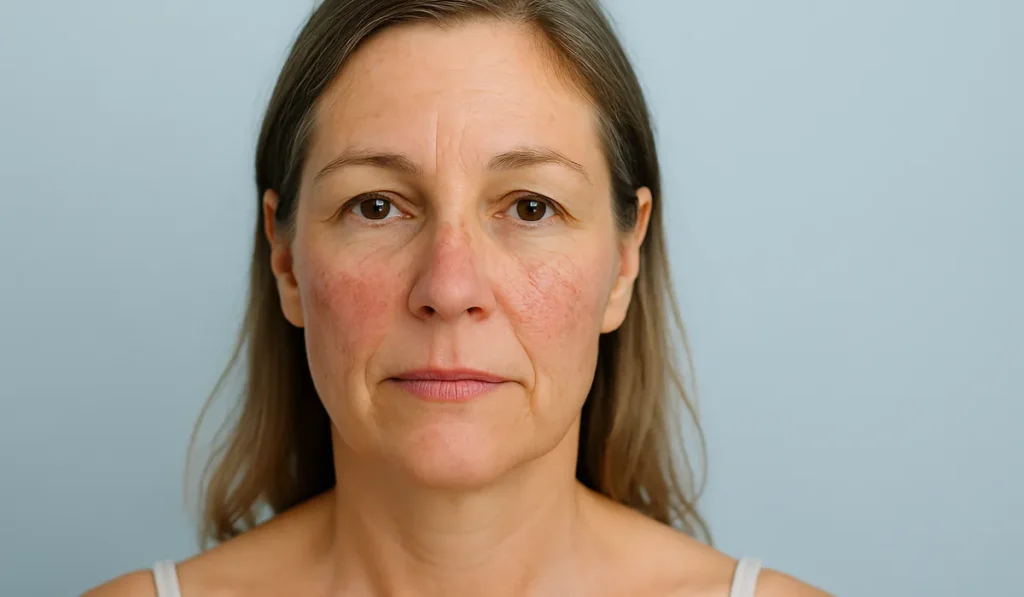
Spider veins, also known as facial telangiectasia, are small, visible blood vessels that appear close to the surface of the skin. They often appear as red, blue, or purple lines and are most commonly found on the nose, cheeks, and chin.

Although spider veins are not harmful, they can be a cosmetic concern. In Australia, common contributors include high UV exposure, genetics, and environmental stressors that affect vascular integrity, particularly in fair or sensitive skin types.
 

Types of visible veins 

Understanding the different types of visible veins can help in identifying and treating them effectively: 

Spider Veins (Telangiectasia): 
Small, thin veins that appear close to the surface of the skin, often red, blue, or purple. They may resemble spider webs or tree branches. Commonly found on the face and legs.

Varicose Veins: 
Larger, swollen, and twisted veins typically found on the legs. These veins can cause discomfort but are not generally present on the face.

Reticular Veins: 
Also called feeder veins, these are deeper than spider veins but smaller than varicose veins. They may appear blue or green and are found behind the knees, on the legs, or occasionally on the face.


What causes spider veins on the face? 

Cause #1 – Sun exposure 
UV radiation damages the walls of small blood vessels, causing them to break or dilate permanently. This is one of the most common causes in fair-skinned individuals. 

Cause #2 – Genetics 
Some people inherit a predisposition to vascular fragility or thin skin, which increases the likelihood of developing spider veins. 

Cause #3 – Skin trauma or inflammation 
Inflammatory skin conditions such as rosacea, acne, or overuse of exfoliants can break down capillary walls, making veins more visible.

Cause #4 – Ageing and thinning skin 
With age, skin naturally thins and becomes less elastic, revealing underlying vessels. Cumulative sun damage further worsens this visibility. 

Cause #5 – Environmental and lifestyle factors 
Repeated facial flushing, alcohol use, spicy foods, extreme temperatures, and emotional stress can cause dilation and weakening of blood vessels.


Why do I have spider veins and others don’t? 

Spider veins can affect people differently based on several factors: 

Factor #1 – Skin type and tone 
Fair-skinned individuals are more susceptible due to lower melanin levels and increased UV sensitivity.

Factor #2 – Genetics 
Family history of spider veins or rosacea increases the likelihood of developing visible vessels.

Factor #3 – Hormonal or circulatory changes 
Hormonal shifts and long-term blood pressure changes may contribute to vascular reactivity.

Factor #4 – Lifestyle and exposure 
Alcohol, sun exposure, heat, and chronic inflammation all influence the development of facial spider veins.


The impact of visible veins 

Visible veins can affect both appearance and wellbeing. Many people experience: 

  • Lowered self-esteem – Persistent visible veins may lead to self-consciousness and reduced confidence. 
  • Social withdrawal – Individuals with noticeable veins may avoid close-up photos or social settings. 
  • Emotional distress – Ongoing concern about facial redness and visible veins can lead to frustration or anxiety. 
  • Red and flushed appearance – Visible facial veins can make the skin appear constantly red or irritated, giving the impression of blushing or skin sensitivity. 
  • Physical discomfort – Although less common in the face, leg veins (e.g., varicose veins) may cause aching, heaviness, or swelling.


Frequently Asked Questions 

Q: What’s the best treatment for spider veins on the face in Australia? 
A: Several professionally supervised treatments may help reduce the appearance of facial veins. Laser or light-based therapies are often considered for this concern, depending on skin type and vessel depth. A consultation with a qualified healthcare practitioner will help determine which option is most appropriate for your skin and goals.

Q: Can spider veins be prevented? 
A: You can reduce your risk by wearing daily sunscreen, avoiding facial trauma, and limiting exposure to heat, alcohol, and strong skincare products. 

Q: Are treatments for facial veins safe? 
A: All procedures carry some risk, so a consultation with a qualified practitioner is essential. 

Q: Do spider veins come back after treatment? 
A: Treated veins may fade or become less visible over time. However, new veins can develop, especially if underlying factors such as sun exposure, genetics, or certain lifestyle habits are not managed. Consistent sun protection and gentle skincare can help maintain results.

Q: Are spider vein treatments covered by Medicare in Australia? 
A: No. These treatments are considered cosmetic and are not eligible for Medicare rebates. All laser or IPL treatments for cosmetic concerns must be paid privately.

Share This

Treatment Options

Spider Veins

If you are concerned about Spider Veins, a qualified healthcare practitioner can explain what may be suitable for you after a personal assessment.

  Surgical

Spider Veins

For personalised advice, it is always recommended to consult with a qualified healthcare provider who can guide you through the most appropriate treatment options for your specific needs, including Spider Veins.

Surgical Options for Facial Spider Veins

There are no surgical procedures intended specifically for facial spider veins. Surgical vein techniques used for larger leg vessels are not typically applied to the small surface vessels seen on the face.


If visible vessels appear to be part of a deeper vascular concern, a dermatologist or vascular specialist may recommend further assessment. These assessments help determine whether referral or additional investigation is needed and whether any minor procedures might be appropriate for your situation.


Disclaimer:

Surgical procedures involve risks, and outcomes can vary. This information is general and not a substitute for professional medical advice. Consult a qualified health practitioner to determine if a procedure is appropriate for you.

  Practitioners Near You

Find Practitioners Near You

  Non-Surgical

Spider Veins

For personalised advice, it is always recommended to consult with a qualified healthcare provider who can guide you through the most appropriate treatment options for your specific needs, including Spider Veins.

Laser for Redness Consultation

This consultation focuses on whether light based vascular devices may be suitable for visible facial vessels. Your practitioner will assess your skin type, review your medical history, and explain which devices may be appropriate and which are not. Not all facial veins or skin tones are suited to laser approaches, so a detailed assessment is important.

IPL (Intense Pulsed Light) Consultation

An IPL consultation helps determine whether broadband light technology may be appropriate for your concerns. Your practitioner will assess the depth and pattern of visible vessels and confirm whether IPL is suitable for your skin type. IPL is not appropriate for every individual or every type of redness.

Sclerotherapy Guidance Consultation

Sclerotherapy is generally used for larger leg veins and is not typically recommended for facial veins. In situations where someone has questions about this procedure, a consultation with a qualified practitioner can help clarify why facial vessels are assessed differently and when referral to a vascular specialist may be appropriate.

LED Light Therapy Consultation


An LED consultation explores whether light based sessions may support general skin comfort. LED does not remove visible vessels, but some people use it as part of a broader skin care plan aimed at calming the skin. Your practitioner will outline suitable wavelengths and safety steps.


Disclaimer:

Non-surgical medical treatments carry risks, and results may vary. This information is general and not a substitute for professional medical advice. Consult a qualified health practitioner to determine if a procedure is appropriate for you.

  Practitioners Near You

Find Practitioners Near You

  Skincare

Spider Veins

Prescription Skincare Consultation

If facial veins are linked with rosacea or inflammation, a prescription skincare consultation with a qualified doctor or nurse practitioner can help determine whether certain topical or oral medicines may be appropriate. These products must be prescribed and monitored by an appropriately qualified practitioner.

Calming Serums and Moisturisers

Cosmetic products containing ingredients such as niacinamide, azelaic acid, or centella asiatica are often chosen to support skin comfort and help maintain a healthy skin barrier. These ingredients may assist in reducing the appearance of general redness when used consistently.

Fragrance Free and Gentle Formulas

People with visible facial veins or redness often benefit from gentle skincare that avoids common irritants. Products without alcohol, strong acids, or synthetic fragrance may help minimise flushing or discomfort.

Sun Protection

Daily broad spectrum SPF plays an important role in supporting skin health. Mineral sunscreens containing zinc oxide or titanium dioxide are often well tolerated by sensitive or redness prone skin. Wearing hats and avoiding peak UV times can also help protect the skin.

  Getting Advice

For personalised advice, it is always recommended to consult with a qualified healthcare provider who can guide you through the most appropriate treatment options for your specific needs, including Spider Veins.

  Talk To A Practitioner

Consult with a verified practitioner near you about Spider Veins:

  Show practitioners near you